 Again a wonderfull asset for our bookshelf, “packed” with inspiration: THE ART OF PACKAGE DESIGN. A recent assembly of international designers is creating highly outstanding and savvy designs to complement the nature and function of a product. Editor Wendy Xu included the Atelier LaDurance Japanese Denim packaging in the publication that is about innovative packaging designs that functions beyond ‘simply product wrappers’. A creative treasure published by Gingko Press: www.gingkopress.com

October 14th, 2011 | 08:50 am
August 26th, 2011 | 12:56 pm
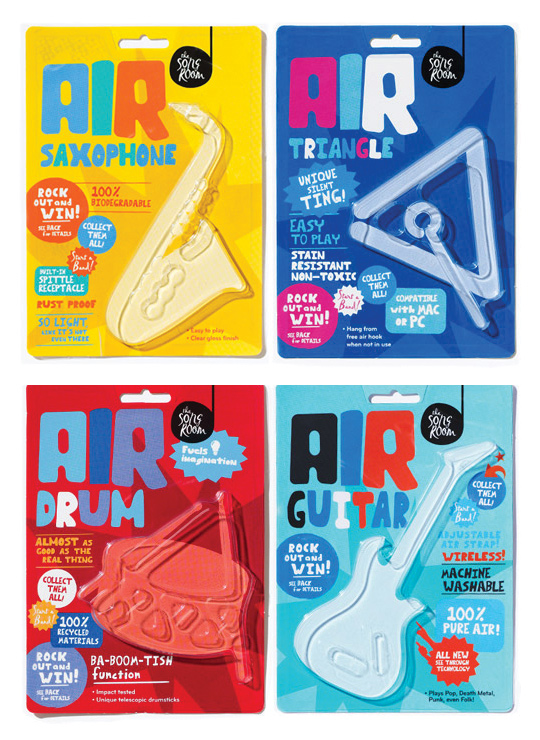 A fine example of what pakaging can do besides just containing and/or selling a product, given by Designworks Melbourne. These air-instruments are part of a ‘Play Air Campagne’, a campaign which helped raise money for an organisation called The Song Room. The Song Room is a charitable organisation who help ensure that underprivileged schools can allow their students to partake in creativity. Deservedly nominated for a Cannes Lions award for Promo & Activation.
August 26th, 2011 | 12:42 pm
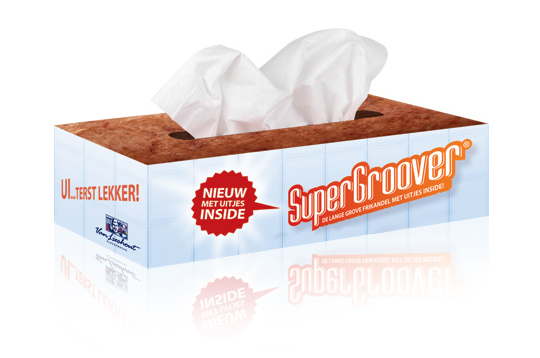 Stepfive developed packaging design (a tissue box) as part of an introduction campaign for a new take on a typical Dutch snack, the Frikandel. This new breed contains onion, so we thought it was appropriate to reach out to anyone eating it by providing free tissues for all those teary eyes. ‘So good, you could cry’.
July 01st, 2011 | 04:04 pm
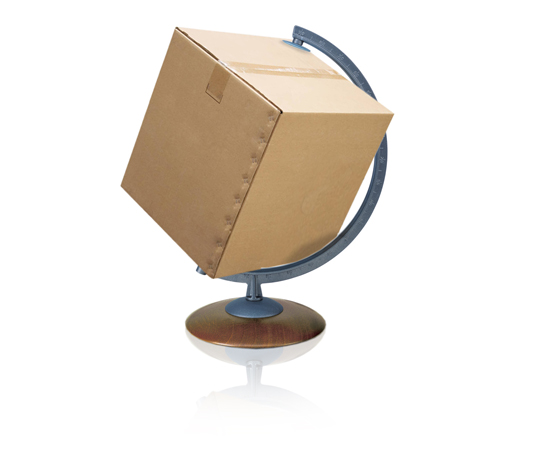 The British Standards Institution, BSI, has launched a new standard to streamline food safety systems between food manufacturers and the packaging they use for their products.
PAS 223—Prerequisite programmes and design requirements for food safety in the manufacture and provision of food packaging—provides a common international methodology for developing a prerequisite program for food and drink packaging safety. PAS 223 aims to bring consistency across global packaging industry practices. It could also potentially reduce tendering costs for packaging manufacturers who adhere to it and as help align packaging activities more closely with their clients’ requirements.
Read more
June 03rd, 2011 | 04:09 pm

As far as our crystal ball can tell us, we present you with what generally is considered as the ‘top five most promising trends in packaging’. We look forward to the day we can look back on this and see what more or less ‘happened’, and what turned out to be total BS. Here we go:
1. Sustainability – reduced packaging material; reusable and refillable packaging; and lighter-weight and biodegradable plastics. The latter reduces transportation costs and the overall carbon footprint.
2. Decorating – “Retro” and “vintage” packaging remains a top decorating trend in 2011. Also popular is packaging with simple, minimalist decorating.
3. Electronic-Enabled Packaging – we will keep on integrating the use of our mobile technology (smart-phones) in our package designs. QR codes will appear more often.
4. Packaging is Shrinking – Packaging is getting smaller because prices of certain materials are increasing. So we shrink because consumers seem to notice price increases more readily than they notice package reduction or weight loss.
5. Made in … – when your offset is mostly situated in the country where you produce, a ‘made in …’ will likely to be seen as an added bonus. It tells that there were little transportation costs involved (sustainability), and makes you think the product suits you better than it’s cousins from the other side of the continent, world, galaxy.
For what it’s worth …
May 23rd, 2011 | 08:35 am
 ”Global standards on packaging and the environment have gained conclusive momentum with the acceptance of the draft international standard (DIS) texts this week, say industry experts. The new ISO-standards will address the optimization of packaging to minimise its environmental impact, the responsible use of heavy metals and other hazardous substances, the possible reuse of packages and the different modes of recycling (material, energy or composting). The new ISO world standards will most likely be available for use by industry, retail and any other interested organisation by the end of 2012.”
More on the new ISO-standards here and here (pdf).
May 13th, 2011 | 09:33 am
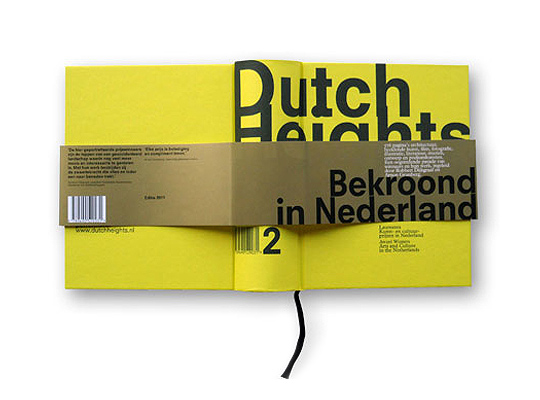 ‘Dutch Heights #2′ presents the year’s best work by award-winning Dutch architects, visual artists, actors, directors, illustrators, photographers, packaging designers, writers, poets, designers, theater makers, musicians and other performers. ’Dutch Heights #2’ is the second volume in a new series yearbooks, designed by Irma Boom and produced by the best graphic production companies in the Netherlands.
May 04th, 2011 | 11:30 am
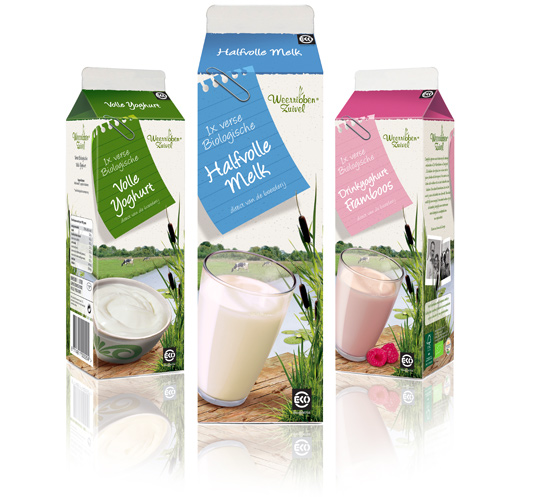 Following to this restyling, a similar fresh and natural packaging design was created by Stepfive of milk and drinks for Dutch company Weerribben Zuivel. The visuals on the packaging are showing us the origin of the milk and drinks: National Park ‘De Weerribben’ in The Netherlands with its characteristic feather reed grass. The coloured shopping list is a powerful asset to match all twelve products into a coherent range.
May 02nd, 2011 | 09:25 am
Students from Design Skolen Kolding, Denmark, made videos for the UNICEF Innovation – Reuse of Packaging Challenge – over a period of three weeks in January 2011. They are all works in progress. More videos at their YouTube UNICEF Innovation Channel.
March 28th, 2011 | 10:36 am
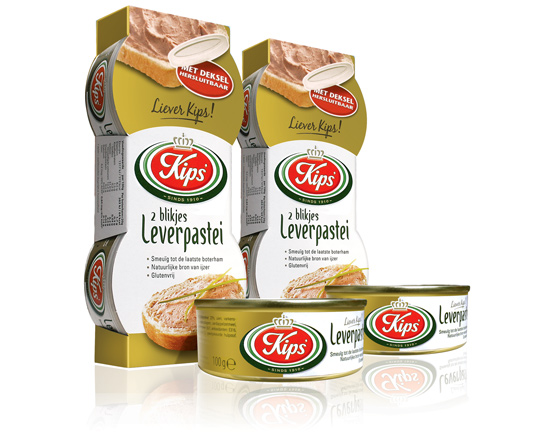 For the Dutch company Kips’, who actually celebrate their 100th anniversary this year, Stepfive created a golden packaging design for their tins with excellent liver pâté. This exclusive and tasteful look with much attention to branding and product experience is successfully introduced at the Dutch consumer market. Kips’ is part of Zwanenberg Food Group.


-
Archives
- August 2018
- July 2018
- June 2018
- May 2018
- April 2018
- March 2018
- February 2018
- January 2018
- November 2017
- October 2017
- September 2017
- April 2017
- February 2017
- December 2016
- October 2016
- September 2016
- July 2016
- May 2016
- March 2016
- January 2016
- November 2015
- October 2015
- August 2015
- June 2015
- May 2015
- April 2015
- February 2015
- January 2015
- December 2014
- November 2014
- October 2014
- September 2014
- August 2014
- June 2014
- May 2014
- April 2014
- March 2014
- February 2014
- January 2014
- December 2013
- November 2013
- October 2013
- September 2013
- August 2013
- June 2013
- May 2013
- April 2013
- March 2013
- February 2013
- January 2013
- December 2012
- November 2012
- October 2012
- September 2012
- August 2012
- July 2012
- June 2012
- May 2012
- April 2012
- March 2012
- February 2012
- January 2012
- December 2011
- November 2011
- October 2011
- September 2011
- August 2011
- July 2011
- June 2011
- May 2011
- April 2011
- March 2011
- February 2011
- January 2011
Aldi
beverage
Bonroyaal
book
brand identity
candy
chocolate
Choco Time!
concept
consumers
design
Dutch
eco
edible
environment
exhibition
food
food industry
foodservice
graphic design
ice cream
innovation
inspiration
Kips
label
Look-O-Look
Netherlands
packaging
packaging design
promotion
rebranding
recycling
retail
Retail ready packaging
RRP
shelf impact
Shelf ready packaging
SRP
Stepfive
sustainability
typography
Weerribben
YouTube
Zwanenberg Food Group